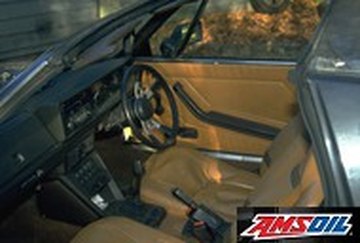
Maintaining Lubrication Integrity for the 1981 Fiat X1/9 1.5L
Proper engine care for a vehicle like the 1981 Fiat X1/9 1.5L involves more than just periodic fluid changes; it requires a disciplined approach to monitoring the mechanical health of the engine and its supporting systems. Because this vehicle represents a specific era of automotive engineering, maintenance often focuses on observing how components age and ensuring that all lubrication remains clean and effective.Monitoring Fluid Condition and Potential Seepage
One of the most effective ways to monitor the health of the 1.5L engine is through regular visual inspections for fluid integrity. Over time, various gaskets and seals may experience changes in their ability to maintain a tight barrier. Rather than assuming a specific component will fail, owners should look for signs of seepage or active leaks around sealing surfaces. When performing routine checks, it is useful to inspect the area surrounding the engine for any evidence of oil residue. If you notice wetness on the exterior of the engine block or near various connection points, this may indicate that a seal is beginning to age. Additionally, checking the appearance of the lubricant itself can provide clues about engine health. Oil that appears excessively dark, gritty, or contains visible particulates warrants closer investigation. Such changes in condition can be associated with various factors, including extended service intervals or the presence of internal contaminants.Observing Operational Indicators
Maintaining a 1981 Fiat X1/9 1.5L also requires paying close attention to how the engine behaves during operation. Mechanical symptoms are often the first indicators that a maintenance priority has shifted. For example, unusual noises coming from the engine compartment should never be ignored. While many sounds are normal for an older engine, any new or rhythmic knocking or tapping can indicate that lubrication is not reaching critical areas effectively. Similarly, changes in exhaust characteristics or unexpected odors can be informative. A burning smell may suggest that lubricant is contacting a hot surface, which could be caused by a leak from a gasket or seal. It is important to remember that these symptoms can have multiple causes; therefore, an unusual observation should be treated as a prompt for a thorough inspection rather than a definitive diagnosis of a specific part failure. If warning lights or indicators appear on the dashboard, these require immediate attention to prevent potential damage.Prioritizing Maintenance Based on Current Condition
For owners of a 1981 Fiat X1/9 1.5L, effective long-term ownership often means moving away from rigid schedules and toward condition-based maintenance. If you do not have a complete history of every repair and fluid change performed on the vehicle, establishing a baseline is a logical first step. This involves performing a comprehensive inspection of all accessible components to determine their current state. Once a baseline is established, priorities should be set based on what the engine actually requires. Addressing active leaks or responding to observed changes in fluid consumption is generally more critical than replacing parts that appear to be in good condition. Keeping detailed records of every oil change, filter replacement, and mechanical repair allows you to track patterns over time. For instance, if you notice that the vehicle requires more frequent top-offs of its lubricant, your records will help you determine exactly when this trend began, which is invaluable for troubleshooting.Inspecting Aging Engine Components
As a vehicle ages, certain materials naturally undergo changes. When inspecting the 1.5L engine, it is practical to look at various peripheral components that are subject to heat and vibration. If equipped, inspect accessible drive belts for signs of cracking, glazing, or fraying. Similarly, if the vehicle is present with rubber hoses, check them for excessive softness, hardening, or visible cracks. Electrical connections and wiring should also be monitored. Age-related brittleness in insulation or corrosion on connectors can affect how various engine systems function. By combining these visual checks with regular fluid monitoring, you create a comprehensive oversight strategy that helps catch minor issues before they escalate into more significant mechanical concerns.The Role of Clean Lubrication in Engine Health
The primary function of engine oil is to provide a consistent layer of protection between moving parts. Beyond simple lubrication, the oil plays a vital role in managing the thermal environment within the engine and helping to suspend contaminants so they can be removed by the filter. Maintaining high lubricant quality is essential for preventing the buildup of deposits. When oil breaks down due to heat or age, it can lose its ability to protect surfaces effectively. This is why staying consistent with service intervals—as determined by your specific maintenance needs and vehicle condition—is so important. Ensuring that the engine always has access to fresh, clean lubricant helps maintain the mechanical integrity of the 1.5L powerplant over the long term.Practical Advice for Buying Engine Oil for a 1981 Fiat X1/9 1.5L
When it is time to replenish your engine's lubrication, the most important step is to ensure the product you select matches the specific requirements of your vehicle. Because different engines have unique needs regarding chemical composition and flow characteristics, you should not rely on general automotive knowledge or assumptions based on the vehicle's age. To make an informed purchase for your 1981 Fiat X1/9 1.5L:- Match the Application Information: Always refer to the specific viscosity and application details provided in the technical information section of this webpage. This is the most reliable way to ensure you are using the correct product.
- Verify Product Labels: Before completing your purchase, double-check the label on the oil container to confirm it meets the necessary specifications listed in your documentation.
- Consider Formulation Types: Depending on your engine's current condition and your driving habits, you may choose between conventional, synthetic blend, or full synthetic formulations. Some high-mileage oil formulations contain additives intended for use in aging engines, including seal-conditioning additives, which may be a consideration for older vehicles.
- Check Quality Standards: Look for modern API certifications on the packaging to ensure the oil meets current industry standards for cleanliness and protection.